Stroke Symptoms — Recognise Early, Act Fast

Early recognition saves lives. Learn the warning signs and what to do immediately.

BE-FAST Quick Guide

Balance

Sudden loss of balance or coordination

Eyes

Blurred or loss of vision in one/both eyes

Face

Face Face drooping on one side

Arm

Weakness or numbness in an arm/leg

Speech

Slurred or confused speech

Time

Seek emergency care immediately
Ischemic vs Haemorrhagic Stroke Symptoms

🩸 Ischemic Stroke (Clot)

  • Numbness or weakness on one side
  • Difficulty speaking
  • Trouble walking
  • Sudden vision problems

⚠️ Haemorrhagic Stroke (Bleed)

  • Sudden severe headache
  • Nausea or vomiting
  • Loss of consciousness
  • Sudden confusion or disorientation

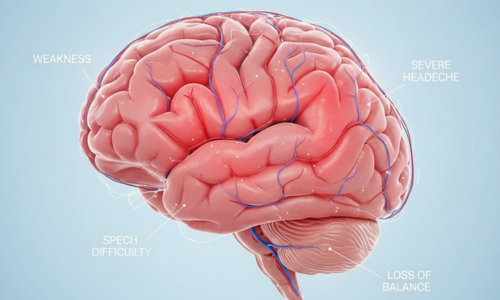
Are You Seeing This?

Sudden weakness?
Speech difficulty?
Severe headache?
Loss of balance?
If YES to any ➜ Rush to Emergency.

What To Do Immediately

Act FAST — Every Second Saves Brain Cells

Call Emergency Number Immediately

Seek urgent medical help without delay.

Note the Time Symptoms Started

This helps doctors decide the best treatment.

Don't Give Food, Water or Medicine

Wait for medical guidance before giving anything.

Frequently Asked Questions

1. Can a stroke be painless?

Many strokes—especially ischemic strokes—can occur without pain.
Symptoms like weakness, numbness, speech difficulty, or vision changes may appear suddenly even if there is no headache or pain.
A painless stroke is still a medical emergency.

2. Are symptoms different in women?

Yes, women may experience additional or subtle symptoms, including:

  • Sudden fatigue

  • Confusion or disorientation

  • Fainting

  • Nausea or vomiting

  • Hiccups

  • Shortness of breath

  • Sudden behavioral changes

3. Can symptoms come and go (TIA)?

A TIA (Transient Ischemic Attack) is a temporary blockage of blood flow in the brain.
Symptoms may:

  • Appear suddenly

  • Last a few minutes to an hour

  • Completely resolve on their own

BUT—TIAs are serious warning signs.

4. Can stress cause a stroke?

Chronic stress increases blood pressure, inflammation, and unhealthy habits (smoking, poor sleep), all of which raise stroke risk.

5. Can young people have a stroke?

Strokes can occur at any age, even in the 20s–40s.
Causes in young adults include:

  • Heart rhythm problems

  • Blood clotting disorders

  • Neck artery tears

  • High blood pressure

  • Smoking and drug use

  • Autoimmune diseases

6. Does a stroke always cause paralysis?

No, Some strokes only affect speech, vision, memory, or balance.
Even small strokes without paralysis still require immediate treatment.

7. Do symptoms get worse over time?

Some strokes progress over minutes to hours (called “stroke in evolution”).
Any worsening signs should be considered an emergency.

8. Can dehydration trigger a stroke?

Yes, dehydration can increase blood thickness, making clot formation more likely—especially in older adults.

9. Can stroke symptoms be mistaken for something else?

Common conditions that mimic stroke:

  • Migraines

  • Seizures

  • Low blood sugar

  • Vertigo

  • Infections

  • Medications causing drowsiness

When in doubt, treat it as a stroke.

10. How fast should treatment start?

Immediately — ideally within the first 60 minutes.
Earlier treatment improves recovery and reduces disability.

Who Is at Higher Risk?

Fast Stroke Action

Consistently high blood pressure damages blood vessels, greatly increasing stroke risk.
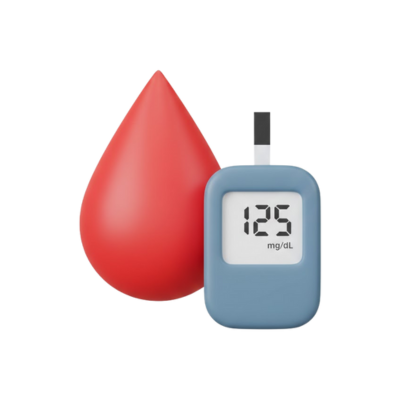
Diabetes

High blood sugar gradually harms arteries, making the brain more vulnerable.
Smoking

Smoking narrows blood vessels and speeds clot formation, raising stroke chances.
High Cholesterol

Excess cholesterol creates artery blockages that can restrict blood flow to brain.
Previous Stroke / TIA

A past stroke or mini-stroke strongly increases the likelihood of another.
Heart Disease

An irregular heartbeat or weak heart can produce blood clots, which may travel to the brain.
Obesity

Being overweight often leads to high BP, diabetes, and higher stroke risk.
Age Above 55

Stroke risk rises significantly after 55 as blood vessels naturally weaken.

Scroll to Top